What to visit
Feast
Events
Practical Info
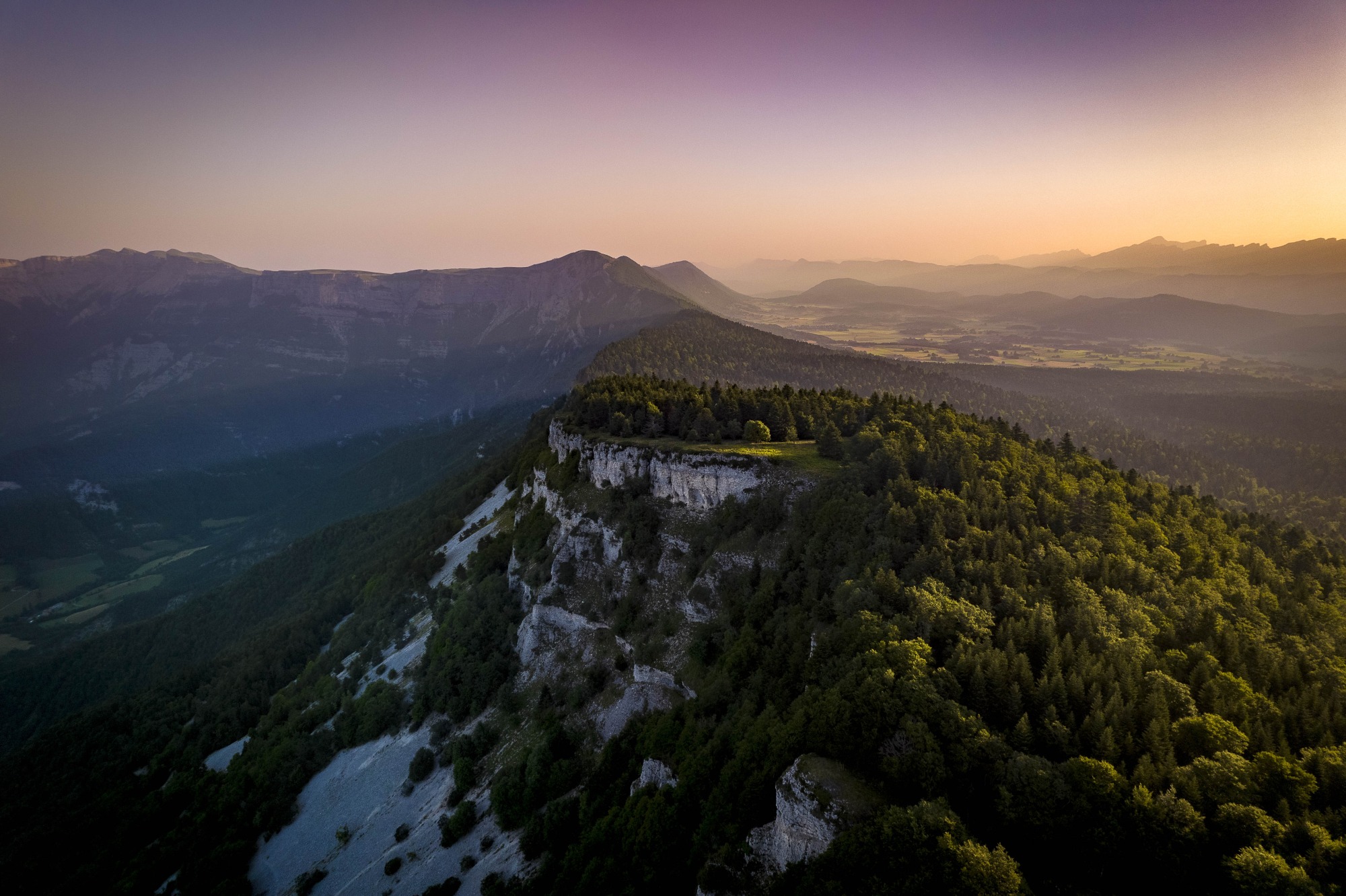

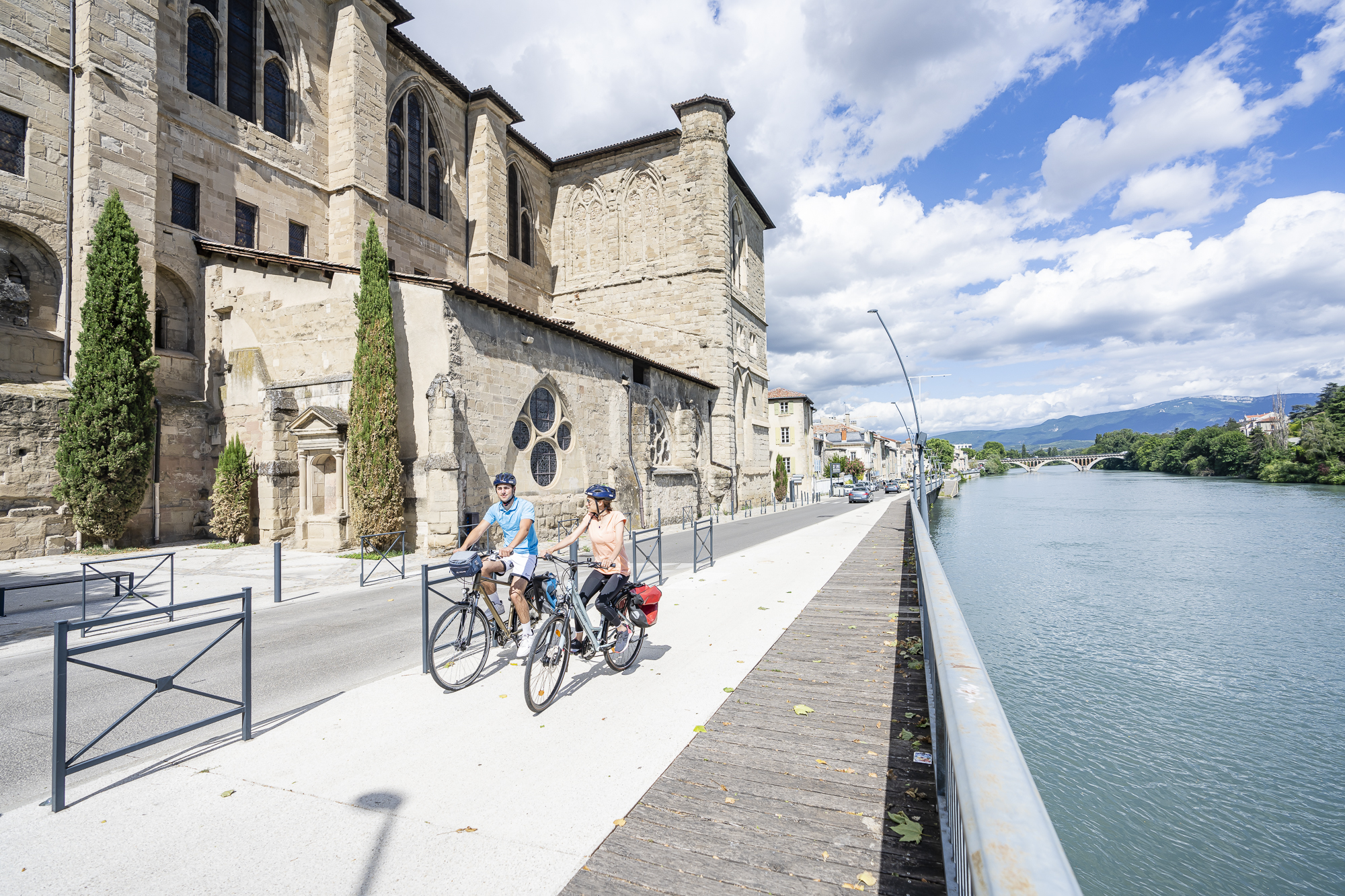
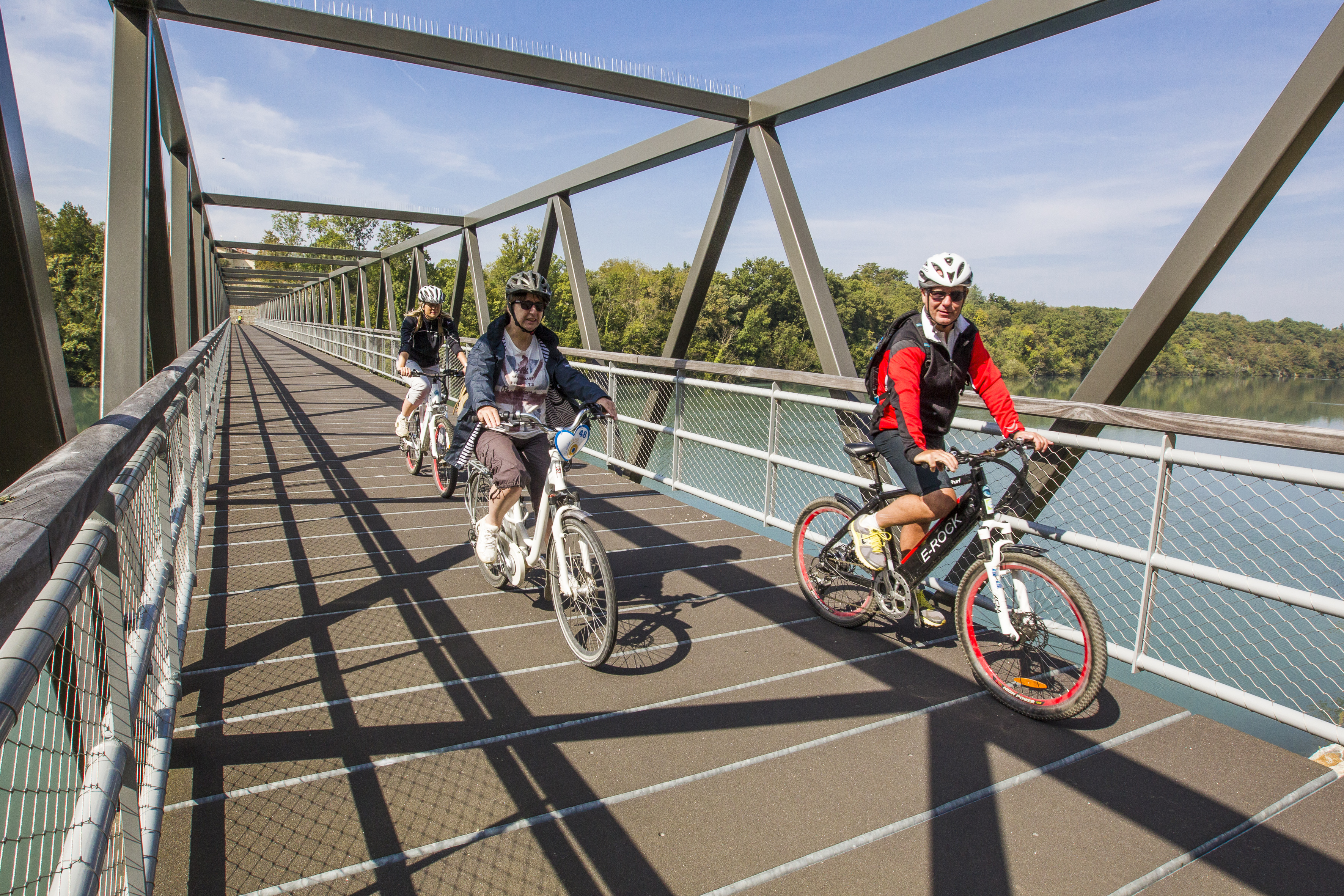
From Romans-sur-Isère, the cycle route crosses the Isère to continue to Bourg-de-Péage on the other bank.
Following the route to Châteauneuf-sur-Isère, you'll see old molasse quarries and troglodyte caves carved into the cliffs. The last few pedal strokes will take you to Pont d'Isère, which marks the confluence of the Isère and Rhône rivers. Head due south on the ViaRhôna to Valence, where its historic center, lively pedestrian streets, and colorful markets give the end of the route a hint of Provence. For the more adventurous, the next day, you can always extend your journey to the Mediterranean Sea!
 L. Pascale
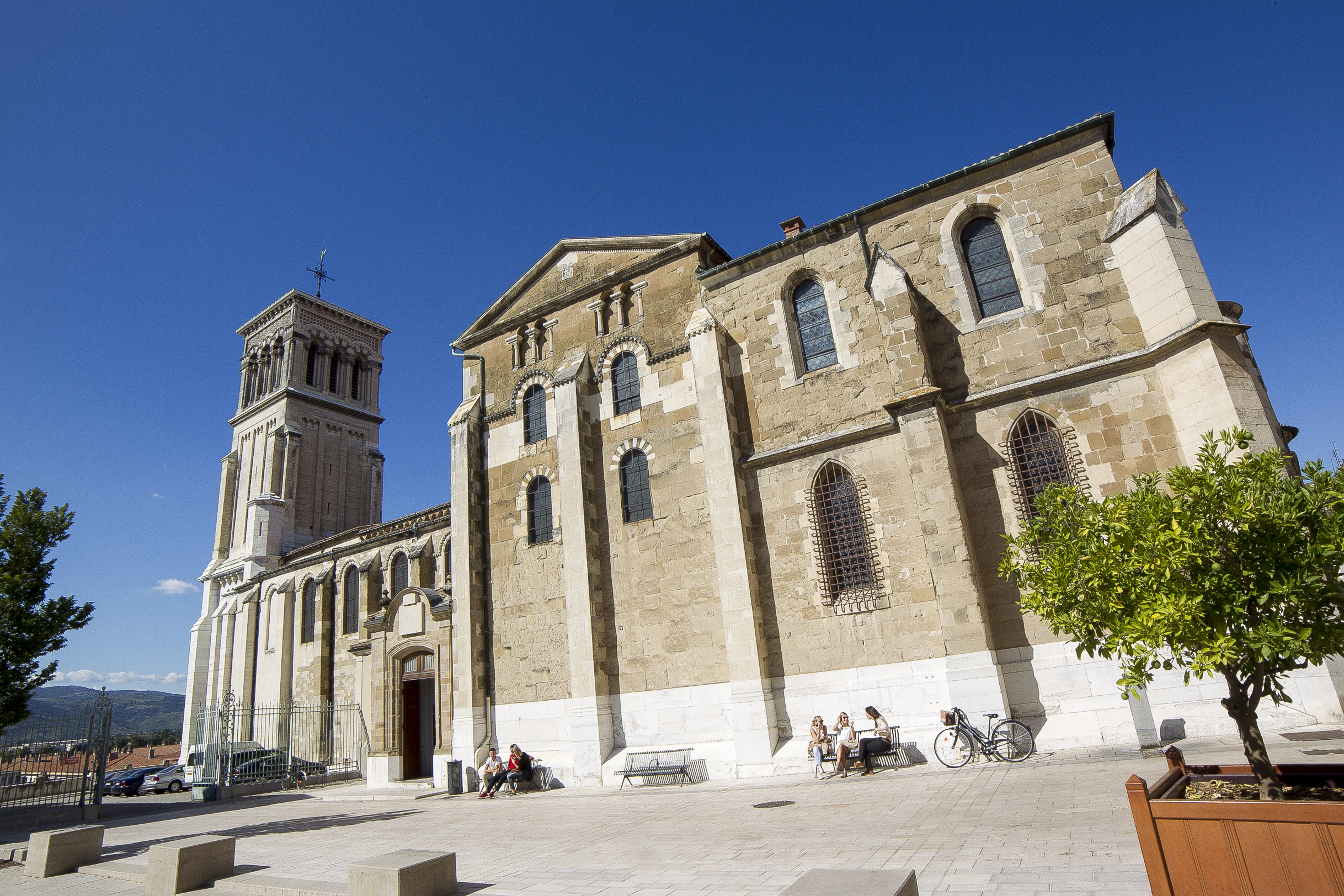
The Saint-Apollinaire cathedral is one of the oldest monuments in Valence. It is located in the center of the cathedral district and adjoins to the south the old early Christian baptistery and the episcopal palace, now a museum.
 E.Caillet - City of Valence
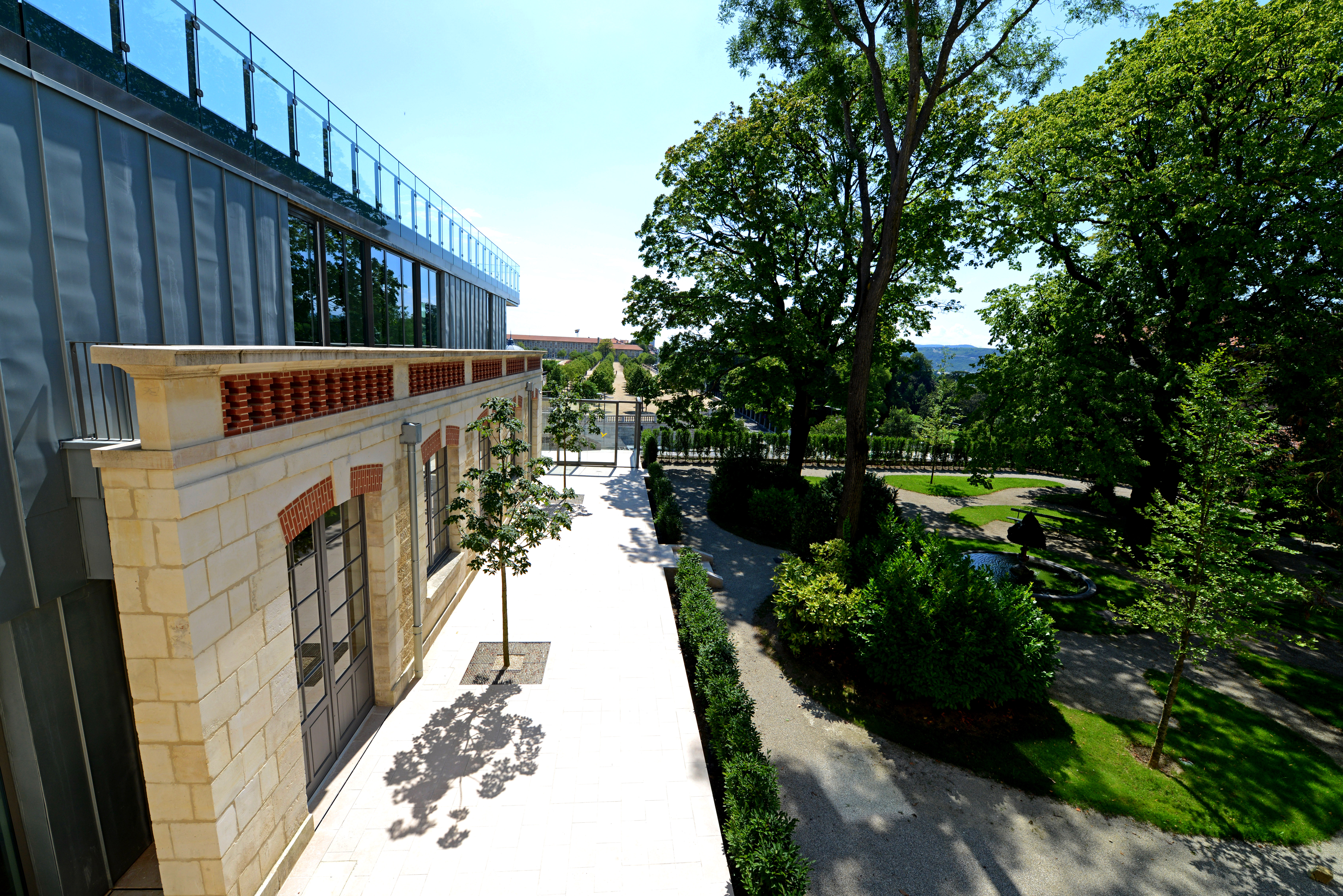
The Museum of Valencia, Art and Archaeology, on the edge of the first terrace of the city, is located in the historic center of Valencia. Adjoining the Saint-Apollinaire cathedral, it offers a wide panoramic view of the landscape.
 Lionel Pascal - Drôme Attractiveness
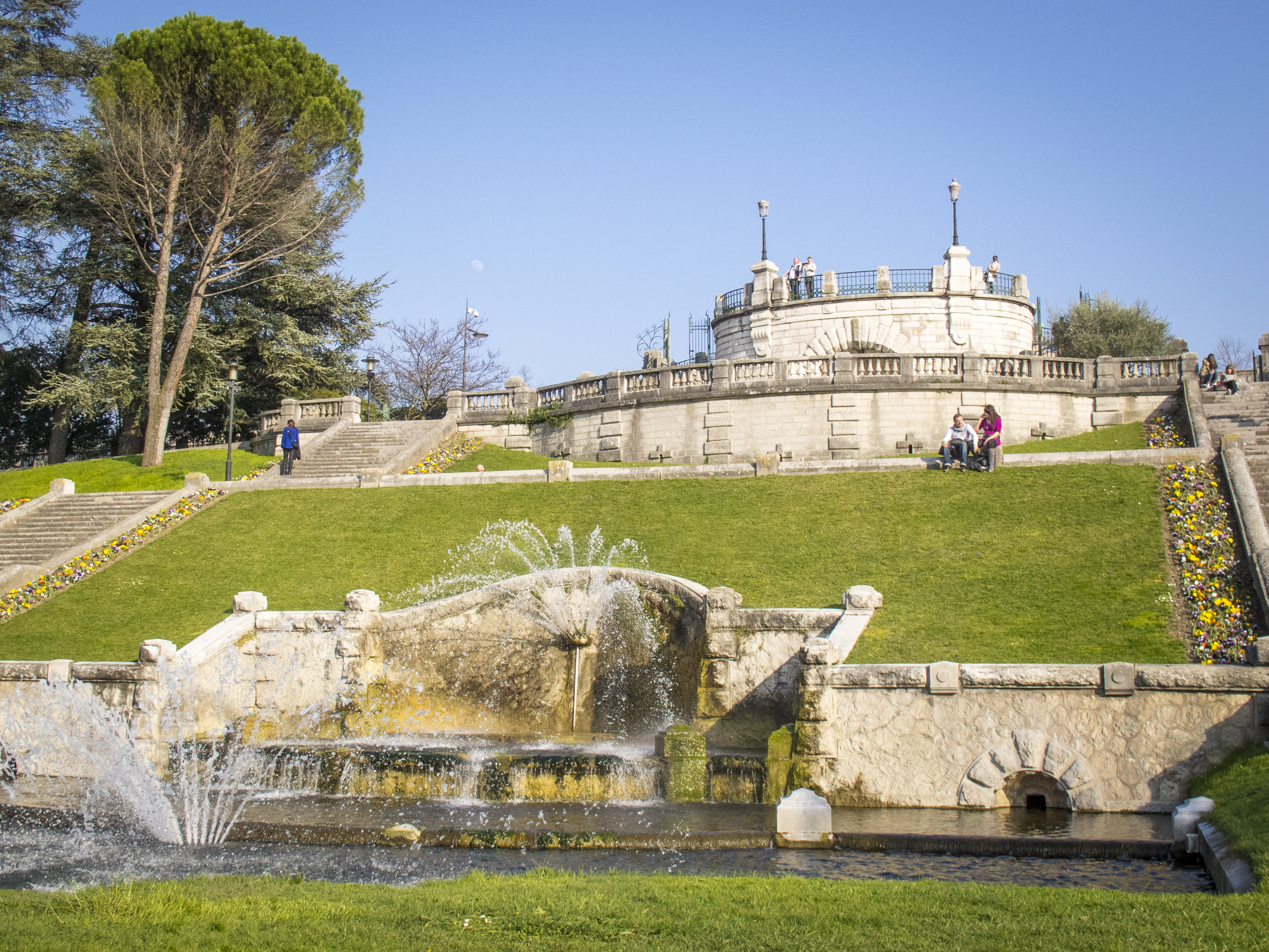
Jouvet Park is one of the must-see attractions in the city of Valence. Your steps will naturally lead you to this 7-hectare green oasis, located in the heart of the city, below the Champ de Mars esplanade and its Peynet Kiosk.
Updated on 18/09/2024 - Report a change: info@vercorsdrome.com
Suggestions
No result found